If the UK leaves the EU, it would lead to some tough decisions and negotiations on trade, says Stephen Lewis of ADM Investor Services.
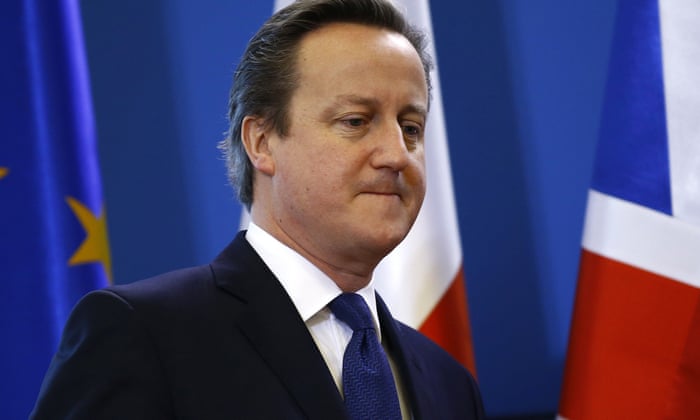
British Prime Minister David Cameron is
locked in tough negotiations about changing some of the terms of the UK
membership with the EU, but a so-called Brexit would kick off a whole
new round of potentially more difficult talks with bloc.
The key economic decisions to be taken if the UK electorate does vote to leave the EU in a referendum centre around trade, although there is much more at stake than just this issue, writes Stephen Lewis, chief economist at ADM Investor Services.
If Britain decides to leave the EU, it then has to decide whether or not to stay in the European Economic Area or leave that as well. “This is not a question that will be presented to voters in the referendum but it might very well be crucial to how Brexit would work out in practice,” writes Lewis.
READ: Major bank warns of serious impact in UK votes for Brexit
If the UK stays in the EEA with non-EU members Norway, Iceland and Liechtenstein, it would still have access to the EU’s internal market, but wouldn’t be able to vote on internal market rules. Under the EEA agreement, the EU would still have to negotiate with the non-EU members if it wanted to change those rules, according to Lewis.
“A government that expected usually to be in a small minority in EU decision-making, under the ‘qualified majority voting’ regime, might see no practical difference, as far as trading relations with the EU were concerned, between participating in the EU and shifting to EEA status,” he writes.
The advantage of staying in the EEA would be taking control of its own policies on a huge range of thinks, including agriculture, fisheries, international trade, foreign relations, security, police and judicial matters. However, there are drawbacks, including having to make substantial payments to help reduce social and economic disparities within Europe.
Leaving both the EU and EEA would throw up more fundamental problems for UK negotiators, according to Lewis, as it would void trade agreements with other countries. This could be solved by negotiating an inter-governmental deal with the EU that allows existing EU trade treaties with other countries to apply to the UK too. But this would depend on the goodwill of the EU.
The UK might need to negotiate a new set of treaties with the EU itself, although it could continue current arrangements within a new treaty, the economist writes. It would be protected from any discrimination by World Trade Organisation rules that prevent trade restrictions.
The key sector for the UK is its dominant services sector, and it is going to have to work hard to secure its interests from outside the EU, negotiating when new proposals emerge in Brussels or in Germany.
Lewis’ analysis of the trade implications of a Brexit come as government ministers stepped up their own rhetoric surrounding the debate.
READ: UK Brexit uncertainty will sink the pound
Chancellor of the Exchequer George Osborne predicted that the EU referendum would end the UK debate about its relationship with the EU for “at least a generation”.
Meanwhile, Commons Leader and Conservative euro skeptic Chris Grayling described the EU as “disastrous” for Britain.
“The crisis in the eurozone and the migration challenge have led to calls for still more integration and a move towards much greater political union. It is a path that the UK will not and should not follow,” Grayling wrote in an article for The Daily Telegraph.
The key economic decisions to be taken if the UK electorate does vote to leave the EU in a referendum centre around trade, although there is much more at stake than just this issue, writes Stephen Lewis, chief economist at ADM Investor Services.
If Britain decides to leave the EU, it then has to decide whether or not to stay in the European Economic Area or leave that as well. “This is not a question that will be presented to voters in the referendum but it might very well be crucial to how Brexit would work out in practice,” writes Lewis.
READ: Major bank warns of serious impact in UK votes for Brexit
If the UK stays in the EEA with non-EU members Norway, Iceland and Liechtenstein, it would still have access to the EU’s internal market, but wouldn’t be able to vote on internal market rules. Under the EEA agreement, the EU would still have to negotiate with the non-EU members if it wanted to change those rules, according to Lewis.
“A government that expected usually to be in a small minority in EU decision-making, under the ‘qualified majority voting’ regime, might see no practical difference, as far as trading relations with the EU were concerned, between participating in the EU and shifting to EEA status,” he writes.
The advantage of staying in the EEA would be taking control of its own policies on a huge range of thinks, including agriculture, fisheries, international trade, foreign relations, security, police and judicial matters. However, there are drawbacks, including having to make substantial payments to help reduce social and economic disparities within Europe.
Leaving both the EU and EEA would throw up more fundamental problems for UK negotiators, according to Lewis, as it would void trade agreements with other countries. This could be solved by negotiating an inter-governmental deal with the EU that allows existing EU trade treaties with other countries to apply to the UK too. But this would depend on the goodwill of the EU.
The UK might need to negotiate a new set of treaties with the EU itself, although it could continue current arrangements within a new treaty, the economist writes. It would be protected from any discrimination by World Trade Organisation rules that prevent trade restrictions.
The key sector for the UK is its dominant services sector, and it is going to have to work hard to secure its interests from outside the EU, negotiating when new proposals emerge in Brussels or in Germany.
Lewis’ analysis of the trade implications of a Brexit come as government ministers stepped up their own rhetoric surrounding the debate.
READ: UK Brexit uncertainty will sink the pound
Chancellor of the Exchequer George Osborne predicted that the EU referendum would end the UK debate about its relationship with the EU for “at least a generation”.
Meanwhile, Commons Leader and Conservative euro skeptic Chris Grayling described the EU as “disastrous” for Britain.
“The crisis in the eurozone and the migration challenge have led to calls for still more integration and a move towards much greater political union. It is a path that the UK will not and should not follow,” Grayling wrote in an article for The Daily Telegraph.
This post was originally published here: https://news.markets/forex/a-brexit-would-mean-even-tougher-negotiations-with-the-eu-8692/